


Traffic Fines 2026: what you need to know if you’re on the road a lot!
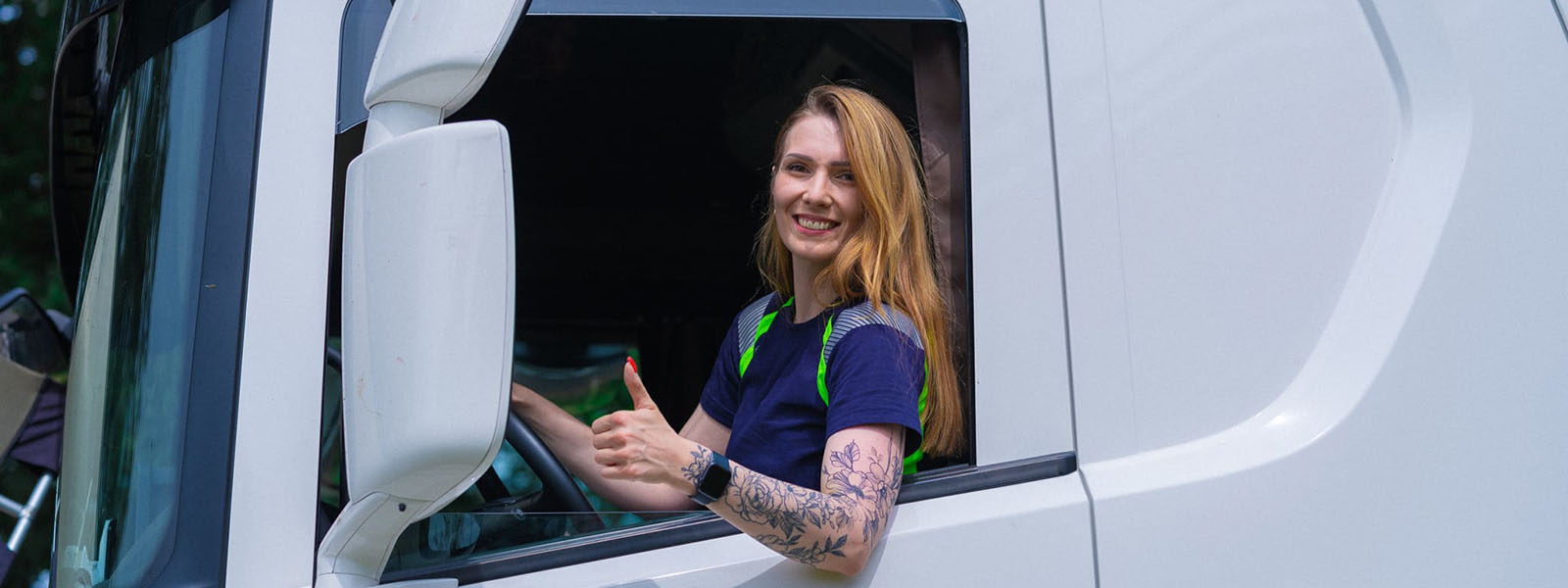
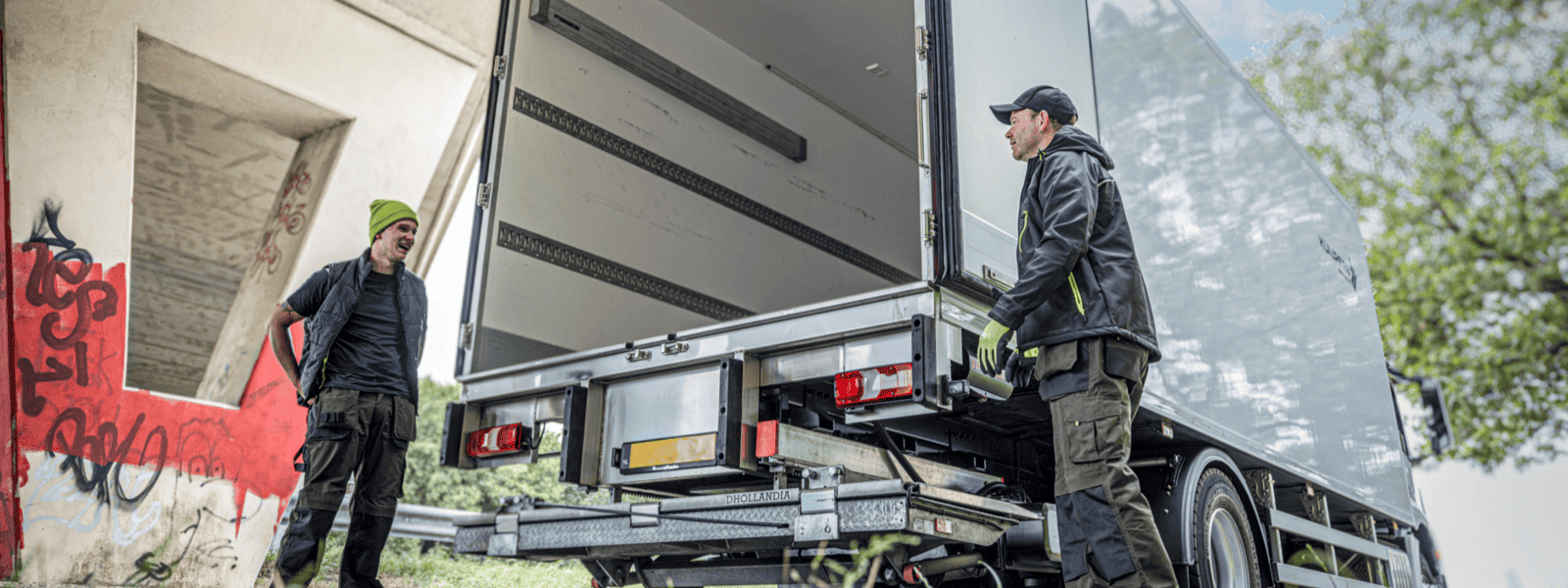
As a box truck driver, you are an indispensable link in the logistics chain. Whether it’s supplying supermarket pickup locations, delivering parcels, or transporting goods to businesses and private customers – as a box truck driver, you make sure all deliveries arrive on time. But what does this role actually mean? What does an average working day look like? And what requirements are there for someone who wants to start working as a box truck driver? You’ll read all about it here!
You drive a smaller truck with a fixed, enclosed cargo area, also known as a box truck. Unlike a tractor–trailer combination, the cargo area is directly connected to the cab. This makes the box truck more manoeuvrable and especially suitable for distribution in busy (inner) cities.
The tasks you have as a box truck driver may vary per employer, but generally include:
Your working day as a box truck driver often starts early in the morning. After a cup of coffee (or tea) and a briefing at the depot, you inspect the box truck. Then you start your route, which may include multiple stops at businesses or private customers.
With some clients, you drive a fixed route, while with others you have different addresses every day. Depending on the load, the work can be physically demanding, especially if a lot of manual unloading is required. Between trips, there are short breaks, and at the end of the day you return the box truck or prepare it for the next route.
Like any profession, working as a box truck driver has its advantages and disadvantages.
Advantages:
Disadvantages:
To drive a box truck, you generally need a category C driving licence. In addition, Code 95 is mandatory if you drive professionally. This is an additional qualification that shows you meet the European standards for professional competence as a driver.
Some employers also require a VCA certificate (Safety, Health and Environment) if you work at high-risk locations.
Are you stress-resistant, able to work independently and is customer-friendliness second nature to you? Then you’re a perfect fit for the role of box truck driver. Take a look at all our box truck driver vacancies. Do you also need accommodation with your job? Contact our international team.